As Thanksgiving and the holiday season approach, many people hear reminders to “be grateful.” But gratitude and mental health are connected in a more nuanced way than a simple positive-thinking message suggests. Noticing what you value may support well-being and connection, while still leaving room for stress, grief, loneliness, or other difficult feelings. Gratitude is not a requirement to feel happy. It can be a small way to notice what matters, even when life is complicated.
What gratitude may do for mental health
Gratitude is the practice of noticing and appreciating something meaningful. It might be a friend who checked in, a meal that gave you comfort, or a few quiet minutes outdoors. The point is not to pretend everything is fine. It is to make space for positive experiences alongside the hard ones.
Research suggests that gratitude exercises may offer a modest boost to well-being. A meta-analysis of gratitude interventions and depression and anxiety symptoms found small average improvements. A large cross-cultural review of gratitude interventions also found a small positive effect on well-being. These findings are encouraging, but they do not mean gratitude works the same way for everyone or can resolve mental health challenges on its own.
One possible benefit is that gratitude can direct attention toward supportive people, helpful moments, or personal strengths that are easy to overlook during a stressful stretch. Expressing appreciation may also encourage connection. A sincere thank-you can help someone feel seen, and it can remind you that you are not entirely alone.

Simple gratitude practices that feel realistic
A gratitude practice does not need to be elaborate or daily to be meaningful. Try one small experiment and notice how it feels. If a practice starts to feel like another obligation, make it shorter or set it aside.
- Try a brief daily ritual. Take a minute at bedtime or while making tea to notice one thing you appreciated that day. Add why it mattered: “My neighbor brought in a package, which made a busy afternoon easier.”
- Keep a simple journal. Write down two or three specific moments, people, or experiences. A few words are enough. You might do this a few times a week rather than aiming for a perfect streak.
- Tell someone what you appreciate. Send a short message, make a call, or say thank you in person. Be specific and genuine. For example, “I appreciated that you listened without trying to fix everything.”
- Notice ordinary comforts. A warm drink, clean sheets, a favorite song, or a walk among trees can count. Small moments are not less worthy because they are ordinary.
The goal is not to create a long list of positives or prove that you have enough to be happy. It is to practice noticing. If a prompt brings up sadness, frustration, or a sense of pressure, that response matters too. You can pause, choose a neutral reflection, or try again another time.
Gratitude for kids, teens, couples, and families
Gratitude can be adapted for different ages and relationships. For children, keep it concrete and brief. A caregiver might ask, “What was one good part of today?” without insisting on an answer. Kids can draw something they enjoyed or thank someone who helped them. Invite, rather than test, their participation.
Teens may prefer a private journal, a voice note, or a quick exchange with someone they trust. Avoid turning gratitude into a lecture about being more positive. A teen can appreciate a friend and still feel overwhelmed by school, friendships, or changes in mood. Both can be true.
For couples, sharing appreciation can be a gentle way to recognize everyday acts of care. Try naming one specific thing your partner did that you valued. This is not a substitute for addressing conflict, but it can help make room for warmth as well as problem-solving.
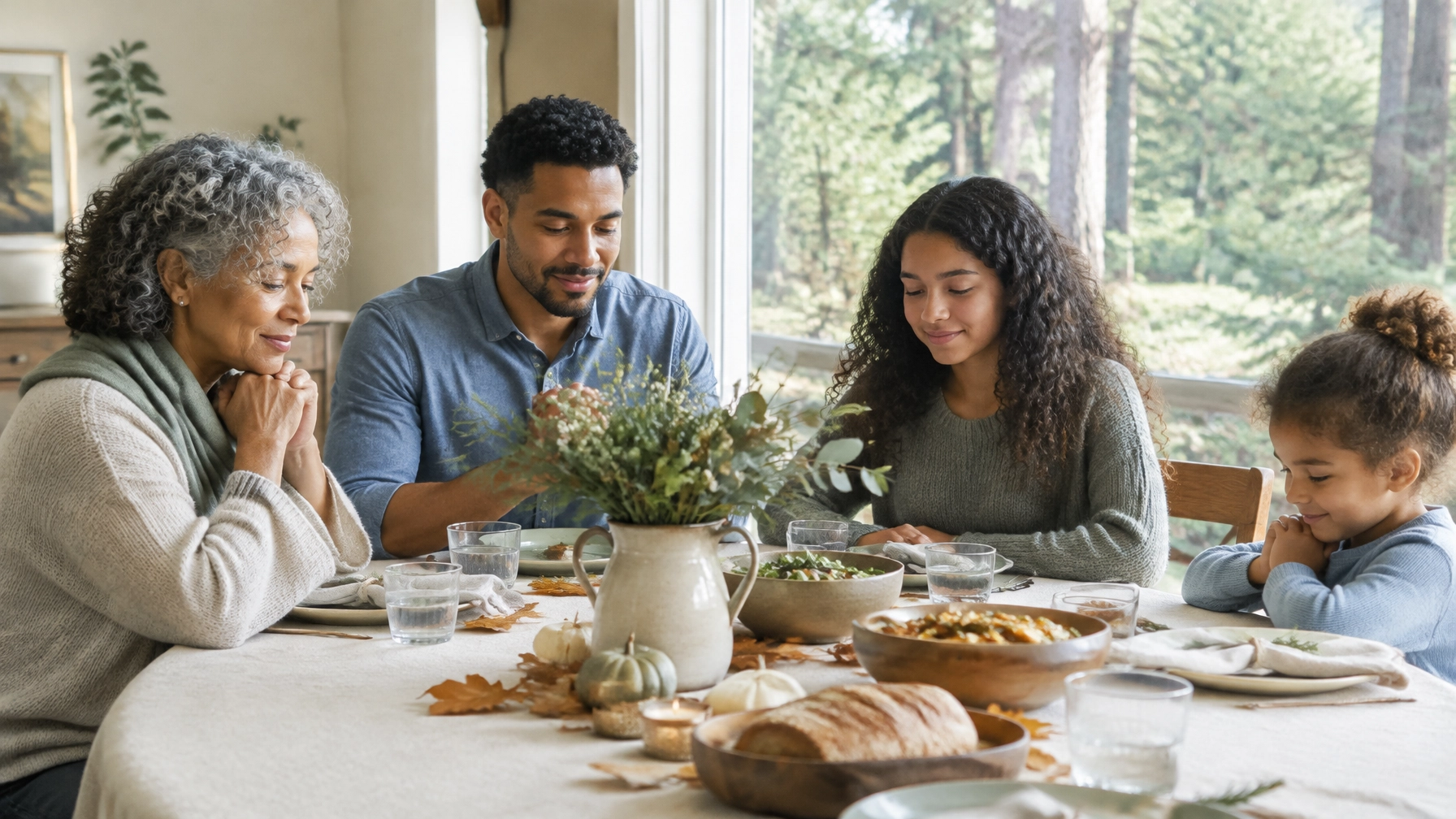
At a family meal, including Thanksgiving, invite each person to share a small appreciation, a helpful moment, or something they are looking forward to. Make passing an option. Holidays can bring up grief, conflict, financial stress, or painful memories, and no one should have to perform gratitude to make others comfortable. A welcoming family habit leaves room for every person’s experience.

How gratitude fits with holistic mental wellness
Mental wellness is shaped by more than one habit. Gratitude can be one small part of a broader routine that supports connection, rest, and emotional balance. It may work well alongside time outdoors, regular sleep, nourishing meals, movement that feels comfortable, and mindfulness practices such as paying attention to your breath or surroundings.
These habits are not a checklist for earning well-being. People have different needs, resources, health conditions, and responsibilities. A short walk may feel restorative for one person and inaccessible for another. A journal may feel helpful to someone and uncomfortable to someone else. Choose options that fit your circumstances, and remember that support can include practical changes as well as emotional care.
At Thrive Wellness Clinic, a holistic approach considers how lifestyle, nutrition, mindfulness, and emotional experiences can interact. Learn more about our approach to therapy and holistic mental wellness in Maple Valley. Gratitude can complement these supports, but it does not need to become another demand. Sometimes the kindest practice is simply noticing what you need today.
Gratitude is not a replacement for professional care
It is possible to feel grateful for people or experiences and still live with depression, anxiety, trauma, or ongoing stress. Gratitude does not mean someone should be able to think their way out of suffering. It also should not be used to dismiss a concern with phrases like “focus on the good” when what a person needs is to be heard and supported.
If low mood, worry, or emotional distress is persistent, intensifying, or affecting sleep, relationships, work, school, or daily life, consider reaching out to a qualified professional. A therapist can help you understand what is happening and explore care that fits your needs. Gratitude may be something you choose to bring into that process, but it is not a test you have to pass.
Thrive offers individual counseling for children, teens, and adults in a compassionate, personalized setting. You can explore the Thrive therapist team and matching options to find support that aligns with your goals.

A gentle place to begin
This November, you do not have to make gratitude a grand project. You might notice one moment of comfort, thank someone for a specific kindness, or invite your family to share something they value, with no pressure to participate. Small practices can support connection and well-being, while difficult feelings still deserve care and attention.
Gratitude and mental health are not about insisting on a bright side. They are about making room for appreciation without denying the rest of your experience. If you would like help finding a path forward, Thrive Wellness Clinic is here to support you with personalized care.