
If you're searching for group therapy near me in the Maple Valley area, you're probably wondering whether this type of counseling is worth your time and investment. Here's the honest truth: group therapy can be just as effective as individual therapy for many conditions—often at a fraction of the cost—while offering unique benefits you simply can’t get in one-on-one sessions.
Still, like any therapeutic approach, group therapy isn’t right for everyone. Let’s explore cost, connection, and real results so you can make a confident, informed decision about your mental health journey.
What Exactly Is Group Therapy?
Group therapy involves 6–12 people meeting regularly with a licensed therapist to work through similar challenges together. Unlike support groups, these sessions are structured, goal-oriented, and led by a mental health professional who guides the conversation and therapeutic process.
In many communities—including Maple Valley—group therapy can focus on specific issues like anxiety, depression, grief, relationship problems, or trauma recovery. Some groups are open-ended and allow new members to join anytime, while others are closed cohorts that meet for a set number of sessions. If you’re comparing options for group therapy near me, knowing the format and focus helps you choose the right fit.

The Cost Factor: Group Therapy Near Me and Your Budget
One of the biggest advantages of group therapy is affordability. While individual therapy sessions typically range from $100-200 per session, group therapy sessions often cost between $30-80 per session. This significant cost difference makes mental health counseling accessible to more people who might otherwise struggle to afford regular therapy.
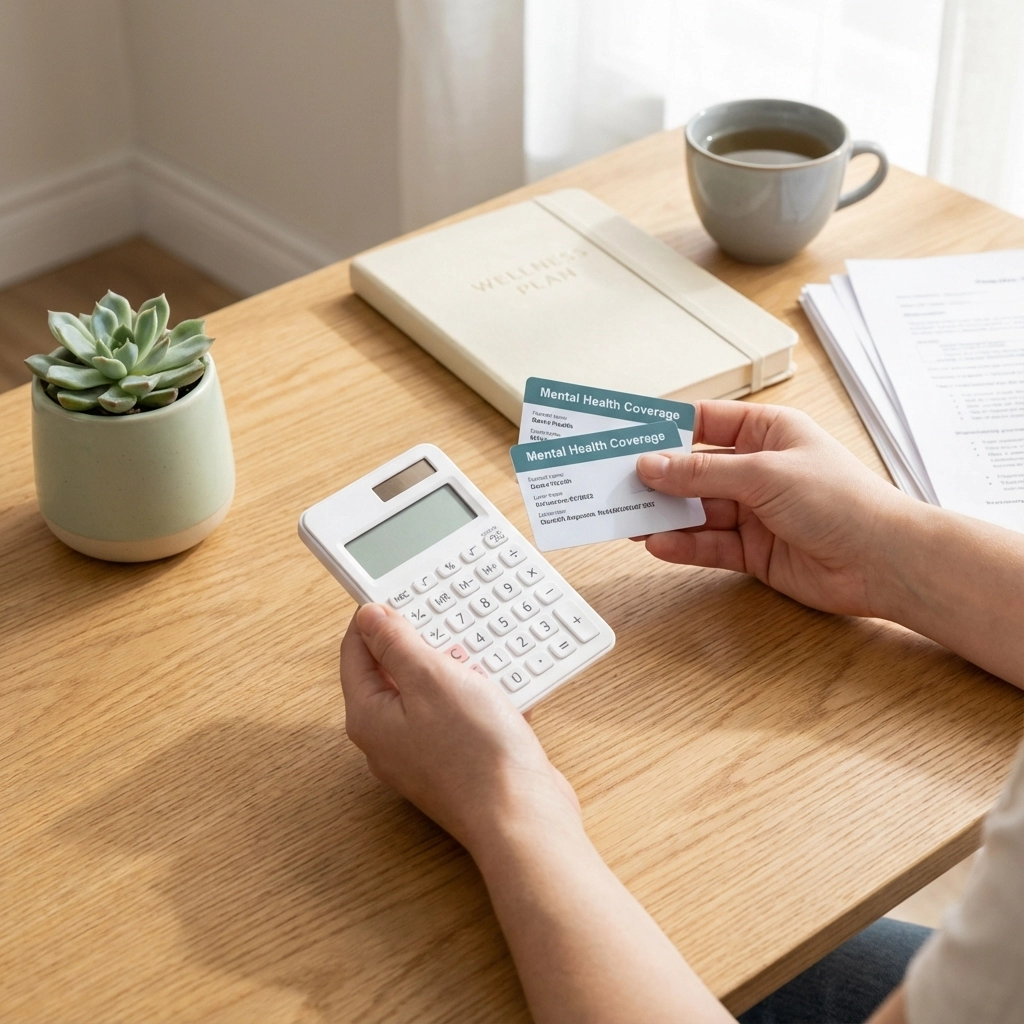
Furthermore, many insurance plans cover group therapy at the same rate as individual sessions, meaning your co-pay might be even lower. This cost-effectiveness doesn't mean you're getting lower quality care – you're simply sharing the therapist's time with others who can benefit from the same expertise.
Additionally, the value extends beyond just financial savings. You're investing in a therapeutic experience that offers perspectives and insights from multiple people facing similar challenges.
Connection: The Power of Shared Experience
Perhaps the most unique benefit of group therapy is the connection you'll develop with others who truly understand what you're going through. When someone else in your group shares a struggle that mirrors your own, it creates a powerful sense of validation and reduces the isolation that often accompanies mental health challenges.
This peer connection offers several therapeutic benefits:
Reduced stigma: Seeing others openly discuss their mental health struggles normalizes your own experience and reduces shame.
Multiple perspectives: Group members offer different viewpoints and coping strategies you might never have considered.
Social skills practice: Group therapy provides a safe environment to practice communication, boundary-setting, and conflict resolution.
Accountability: Having others who know your goals creates natural accountability for implementing positive changes.
What to Expect in Your First Group Session
Starting group therapy can feel intimidating, especially if you're naturally introverted or have social anxiety. Most therapists begin with ground rules about confidentiality, respect, and participation expectations. You'll likely start by sharing only what feels comfortable – there's no pressure to immediately dive into your deepest struggles.
Typically, sessions begin with check-ins where members share how their week went and any challenges they faced. The therapist then guides discussions or activities related to the group's focus area. Sessions usually end with goal-setting or homework assignments to practice skills discussed during the meeting.
Remember, it's normal to feel nervous during your first few sessions. Most people report feeling more comfortable and engaged after 3-4 meetings as they get to know other group members and establish trust.
Real Results: What Research Shows About Effectiveness
The evidence supporting group therapy's effectiveness is robust. Research consistently shows that group therapy produces comparable results to individual therapy for conditions including depression, anxiety, PTSD, eating disorders, and substance abuse issues.
In fact, studies indicate that group therapy can be more effective than individual therapy for certain conditions, particularly those involving social anxiety or interpersonal difficulties. The group setting provides real-time practice for social skills that can't be replicated in individual sessions.
Key research findings include:
- Significant symptom reduction in depression and anxiety within 12-16 weeks
- Improved social functioning and relationship satisfaction
- Enhanced coping skills and emotional regulation
- Lower relapse rates for some conditions compared to individual therapy alone

Group Therapy Near Me in Maple Valley: Local Considerations
Living in the Maple Valley area offers unique advantages for accessing quality group therapy near me services. Our close-knit community often translates into supportive, cohesive groups where members build meaningful connections beyond their sessions.
Additionally, many local therapists understand the specific stressors facing our community – from work-life balance challenges to seasonal affective patterns common in the Pacific Northwest. This local understanding can make group discussions more relevant and applicable to your daily life.
Transportation and scheduling are also typically easier in smaller communities like ours, making it more realistic to commit to regular weekly sessions that are crucial for group therapy success.
Weighing the Pros and Cons
Advantages of group therapy:
- Significantly lower cost than individual therapy
- Peer support and reduced isolation
- Multiple perspectives on problem-solving
- Real-world practice of social skills
- Accountability from group members
- Normalized mental health discussions
Potential drawbacks:
- Less individual attention from the therapist
- Possible personality conflicts with other members
- Need to work around others' schedules
- Some topics might feel too personal to share in a group setting
- Slower pace due to multiple participants

How to Find the Right Group Therapy Near Me
When searching for group therapy near me in Maple Valley, consider these important factors:
Group composition: Ask about the other members' ages, challenges, and commitment levels to ensure a good fit.
Therapist credentials: Verify that the leader is a licensed mental health professional with group therapy training.
Group structure: Understand whether it's open or closed, how long sessions last, and what the expected duration is.
Cost and insurance: Clarify fees upfront and verify your insurance coverage.
Location and timing: Ensure the schedule works with your other commitments for consistent attendance.
Most importantly, trust your instincts. A good group should feel safe, supportive, and focused on growth rather than just venting or socializing.
Group Therapy Near Me: FAQs
- Is group therapy as effective as individual therapy? For many concerns like anxiety and depression, research shows outcomes are comparable. The bonus is real-time feedback and skills practice.
- How many people are in a group? Most groups include 6–12 members, which is large enough for diverse perspectives yet small enough to feel personal.
- Will my insurance cover group therapy near me? Many plans do. Check your benefits or ask your provider about coverage and co-pays for group sessions.
- What if I feel nervous about sharing? That’s normal. You can start by listening; you only share what feels comfortable as trust builds.
- How do I pick the best fit? Look at focus area, leader credentials, group structure (open vs. closed), schedule, and location.
Making the Decision: Is It Right for You?
Group therapy works best for people who are motivated to change, willing to listen to others, and comfortable sharing in a supportive environment. It's particularly beneficial if you're dealing with depression, anxiety, grief, relationship issues, or social difficulties.
However, if you're in crisis, dealing with severe trauma, or have conditions requiring intensive individual attention, starting with individual therapy might be more appropriate. Many people benefit from combining both approaches.
The key is being honest about your comfort level, goals, and readiness to engage with others in a therapeutic setting.
Your Next Steps Toward Better Mental Health
Group therapy near me offers a unique combination of professional guidance, peer support, and cost-effectiveness that can accelerate your mental health journey. While it’s not right for everyone, many people find it provides exactly what they need to break through isolation and build practical coping skills.
If you're ready to explore group therapy options or want to discuss whether it's right for your situation, consider reaching out to qualified mental health professionals who can help you make an informed decision. Taking that first step toward getting support is often the hardest part – but it's also the most important one.
For more mental health resources and insights, visit our blog where we regularly share evidence-based strategies for improving your overall well-being.
Summary: Group therapy near me offers an effective, affordable alternative to individual counseling with unique benefits including peer support, multiple perspectives, and real-world social skills practice. While not suitable for everyone, research shows it produces comparable results to individual therapy for many conditions, often at significantly lower costs.
Social Media Caption: "Searching for group therapy near me in Maple Valley? 🌿 It can be as effective as individual therapy—often for less. Learn costs, benefits, and what to expect so you can find your fit. #GroupTherapy #MapleValley #MentalHealth #TherapyWorks"